Resources
- Home .
- Resources
Who was

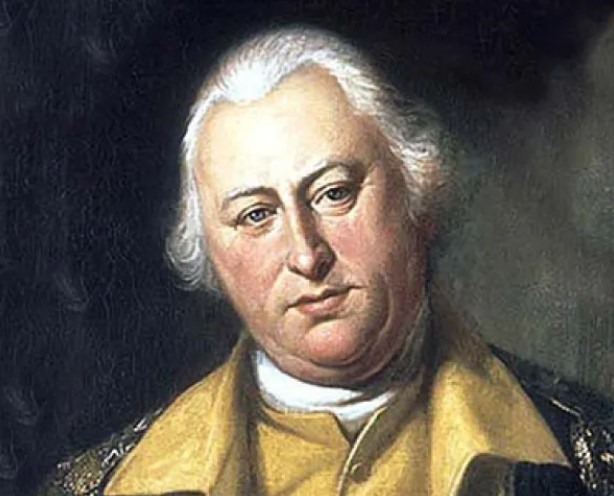
Major General Benjamin Lincoln
Born in Hingham, Massachusetts, in 1733, Benjamin Lincoln came from one of the town’s earliest and most influential families. The Lincolns were among the first settlers of Hingham, establishing themselves through large farmlands and deep involvement in local governance. His father, Colonel Benjamin Lincoln, served on the Governor’s Council and helped shape the town’s early civic life. Following in his footsteps, the younger Lincoln became town constable at age 21 and joined the colonial militia, beginning a lifelong commitment to public service and military leadership. Though he saw no combat during the French and Indian War, Lincoln rose to the rank of major, setting the stage for a more pivotal role in the coming Revolution. As tensions grew between the colonies and Britain, he protested Parliamentary taxation and became a vocal opponent of the Boston Massacre. In 1774, the Massachusetts Provincial Congress appointed him to oversee the colony’s militia organization and supply—an essential role during the outbreak of war just miles away at Lexington and Concord. His logistical efforts helped sustain the Patriot siege of Boston until General Henry Knox delivered artillery that forced the British to evacuate. In the years that followed, Lincoln rose quickly. He was appointed Major General of the Massachusetts militia and cleared the last British ships from Boston Harbor. Soon after, Congress placed him under George Washington’s command. He fought in key campaigns from New York to Saratoga, where a musket wound shattered his leg—an injury that left one leg two inches shorter for the rest of his life. Despite setbacks, including the largest American troop surrender of the war at Charleston, Lincoln returned to prominence at Yorktown. When British General Cornwallis refused to personally surrender, it was General Lincoln whom Washington sent to accept the sword—an act of redemption and symbolism. He was one of only a few men present at all three major turning points of the Revolution: Saratoga, Charleston, and Yorktown. After the war, Lincoln became the first Secretary at War under the Articles of Confederation and later returned to Hingham, continuing to serve Massachusetts in various civic roles. Notably, he led militia forces to help suppress Shays’ Rebellion, once again balancing military leadership with a commitment to civil order. Lincoln retired in 1809 and died a year later in his hometown. Today, he remains one of Hingham’s most honored sons—a man whose life bridged local roots and national transformation. His legacy lives on in John Trumbull’s famous painting The Surrender of Cornwallis, hanging in the U.S. Capitol, where Lincoln is forever depicted accepting the sword that ended the Revolutionary War.
How can i start supporting history?
Colonial New England Militiaman (circa 1770–1791)
1. Clothing
Linen shirt – natural or white, collarless with ties or buttons
Waistcoat – wool or linen, often sleeveless; earth tones or faded Yellow/blue
Breeches or trousers – knee breeches were common; trousers more common among the times.
Wool or linen coat/jacket – plain, often dark blue, brown, Brick or gray
Neck stock, cravat, or neckerchief – black, white, or natural linen / Silk
Wool stockings – white, gray, or blue
Leather shoes – black buckle or latchet shoes
Hat – tricorn or cocked hat (felt), sometimes trimmed; slouch hats also acceptable
Gaiters or spatterdashes – for protection of lower legs and Footwear
2. Accoutrements (Military Gear)
Musket – typically a Brown Bess, Charleville, or fowler (long hunting musket)
Bayonet – if musket allows it
Cartridge box – leather, worn on strap; holds 18 paper cartridges
Powder horn – (non functioning Only)
Tomahawk or belt axe (Optional)
Haversack – cloth or canvas bag for personal items, rations
Canteen – wooden, often round with cloth strap
Blanket roll or knapsack – wool blanket tied with linen straps
Colonial New England Woman (Homefront or Camp Follower)
1. Clothing
Shift (chemise) – white or natural linen undergarment
Stays – 18th-century corset, provides structure (optional for camp roles, essential for dress roles)
Petticoats (2 or more) – ankle-length skirts; wool or linen
Short gown, bed gown, or jacket – upper garment, worn over stays
Apron – linen or checked cotton, for practicality
Kerchief (neckerchief) – worn around neck or shoulders
Stockings – white or natural wool/cotton
Shoes – leather buckle shoes or latchet tie shoes. Simple Black shoes will also do.
Cap (mob cap) – white linen or cotton; universal for adult women
Straw hat or bergère hat – wide-brimmed and tied with ribbon
2. Accessories & Camp Gear
Pocket – worn under the skirt, tied around the waist
Basket or market bag – for carrying goods
Knitting, sewing, or cooking supplies – for portraying Homefront or camp life
- Canteen
Wool shawl or cloak – for colder weather
Blanket roll or bedding bundle – if portraying camp follower
Natural fibers only: linen, wool, cotton—avoid polyester or modern fabrics where possible.
Muted, earthy colors preferred: avoid bright synthetic shades
Hand-sewn or accurately machine-stitched garments enhance authenticity
Minimal visible modern items: plastic, zippers, Velcro, or watches should be avoided
👦 Boys (Infants to Teens)
Clothing
Linen shirt – white or natural; untucked, reaches mid-thigh
Waistcoat or jacket – sleeveless or sleeved, wool or linen
Breeches or trousers – knee breeches for older boys; straight-leg trousers acceptable
Stockings – white, gray, or natural wool
Leather shoes – buckle or tie; moccasins for very young kids
Cap or hat – knitted cap, round hat, or tricorn
Neckerchief or cravat – optional, tied around the neck
Accessories (Optional)
Haversack – canvas or linen bag
Canteen
Toy wooden musket, drum, or fife – historically inspired
Wool cloak or coat – for cold weather
👧 Girls (Infants to Teens)
Clothing
Shift (chemise) – basic linen underdress
Gown or shortgown & petticoat – girls wore ankle-length skirts and upper garments like their mothers
Apron – linen or cotton
Kerchief – optional, worn at neck or shoulders
Cap (mob cap or round-eared cap) – white linen; nearly universal for girls over toddler age
Stockings – wool or cotton
Shoes – leather buckle or tie shoes; moccasins or soft soles for toddlers
Straw hat or bonnet – for sun protection and style
Accessories (Optional)
Basket or pocket – tied at waist for personal items
Doll or toy – rag doll, cornhusk doll, wooden toys
Wool cloak or shawl – cold weather layer
🎒 Young Adults (Ages ~12–17)
Depending on the role (civilian or militia), they may wear:
For Boys: Full adult militia kit (musket optional, depending on event/safety), with more fitted breeches and coats
For Girls: Adult-style shortgowns, stays (optional depending on age), and 1–2 petticoats
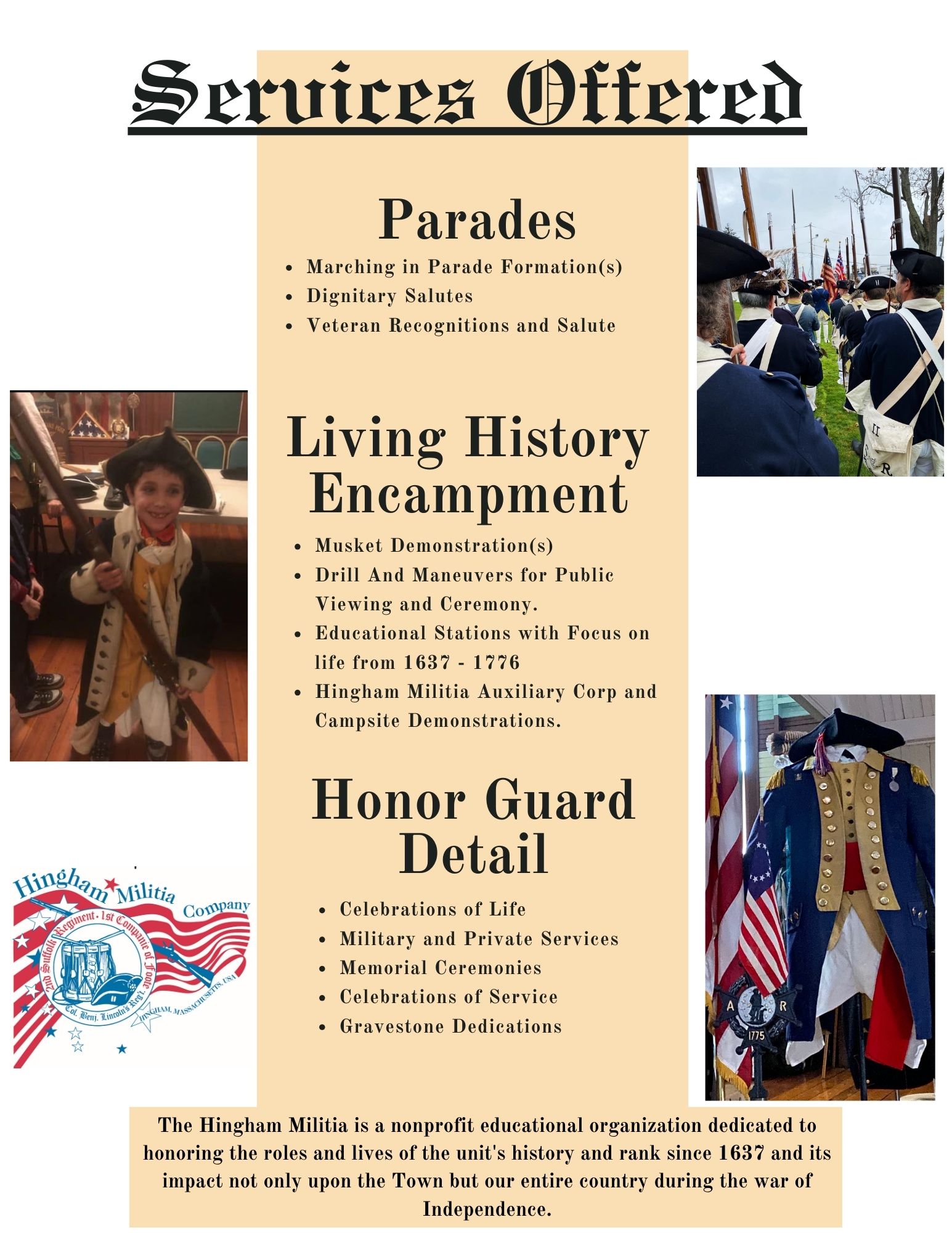
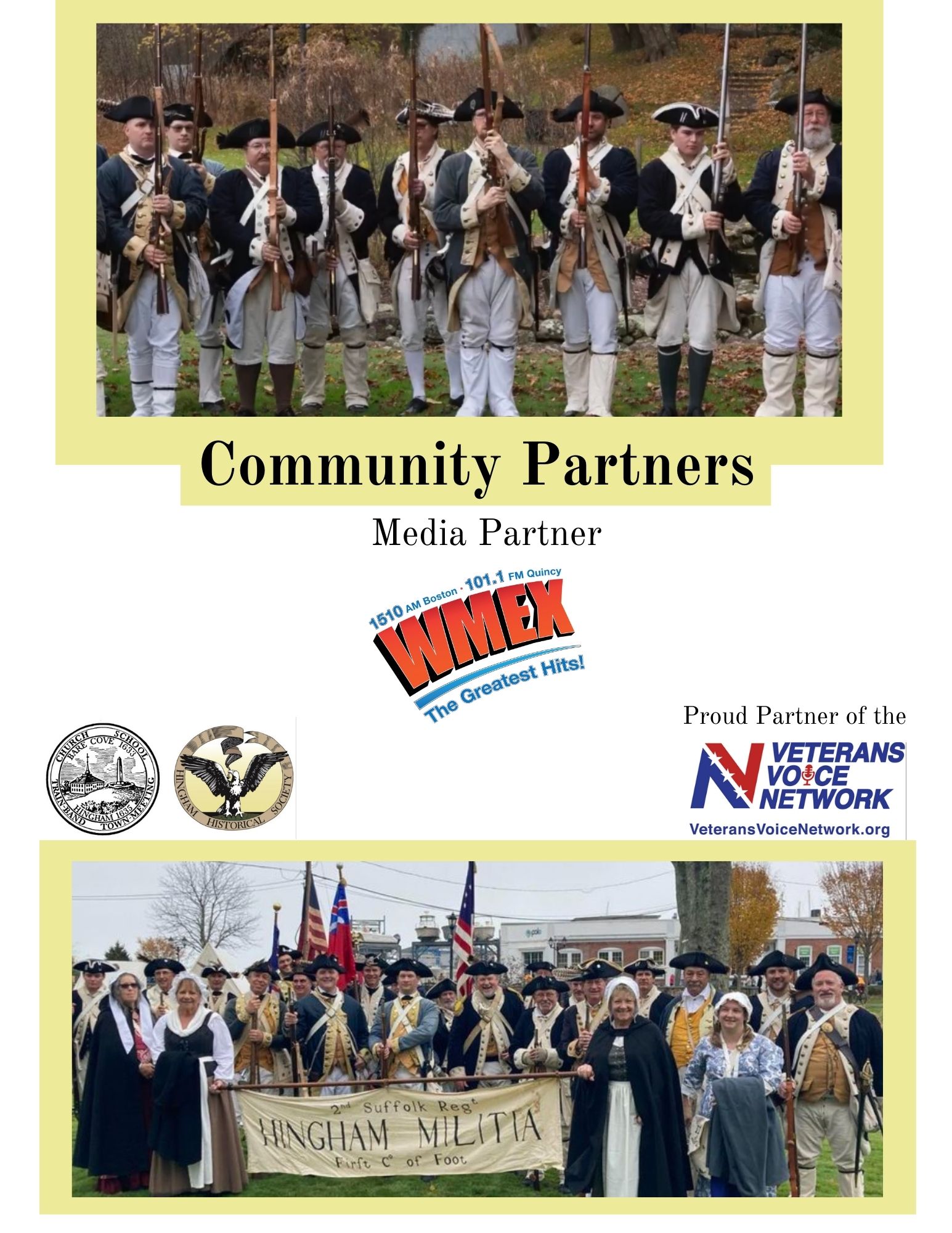
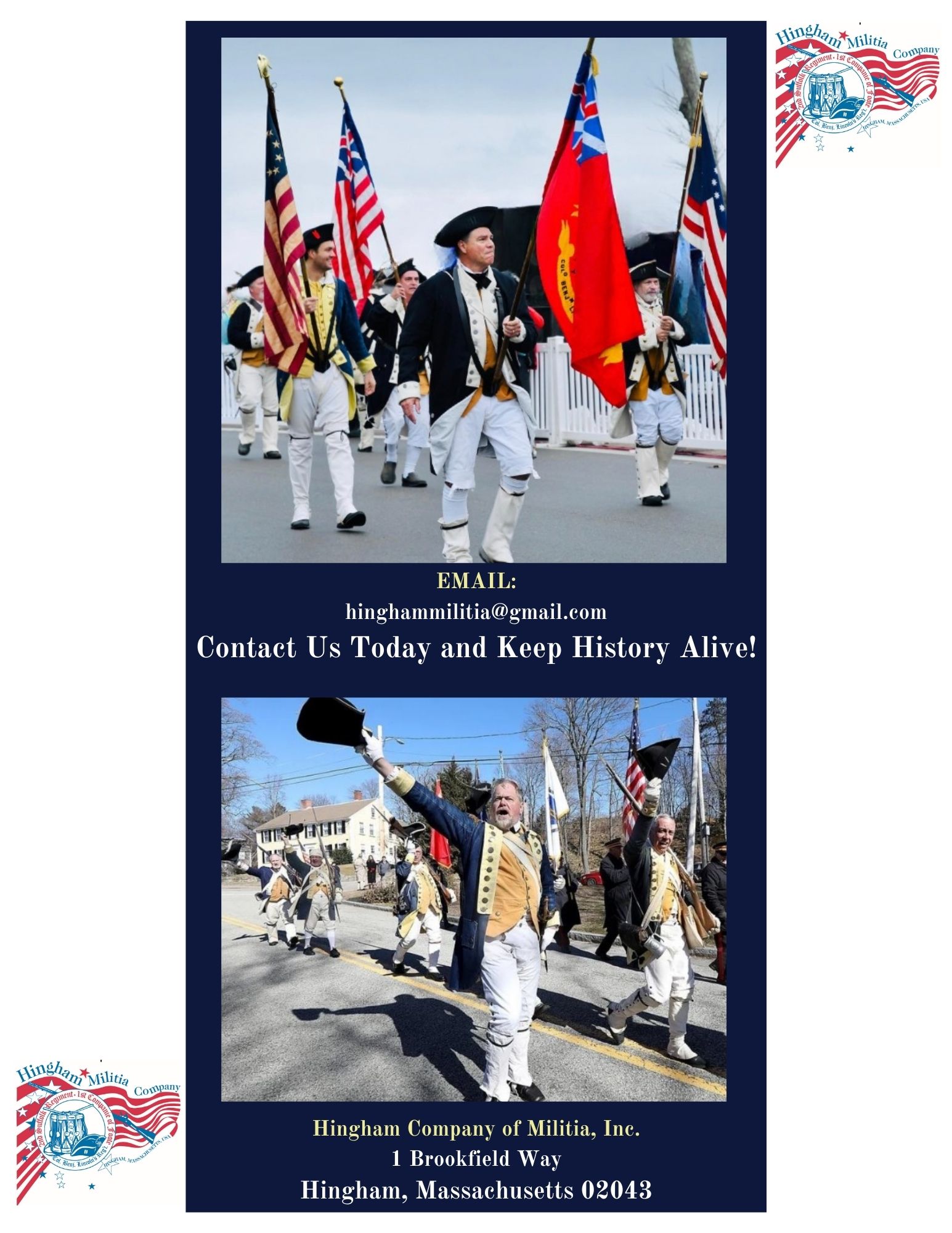
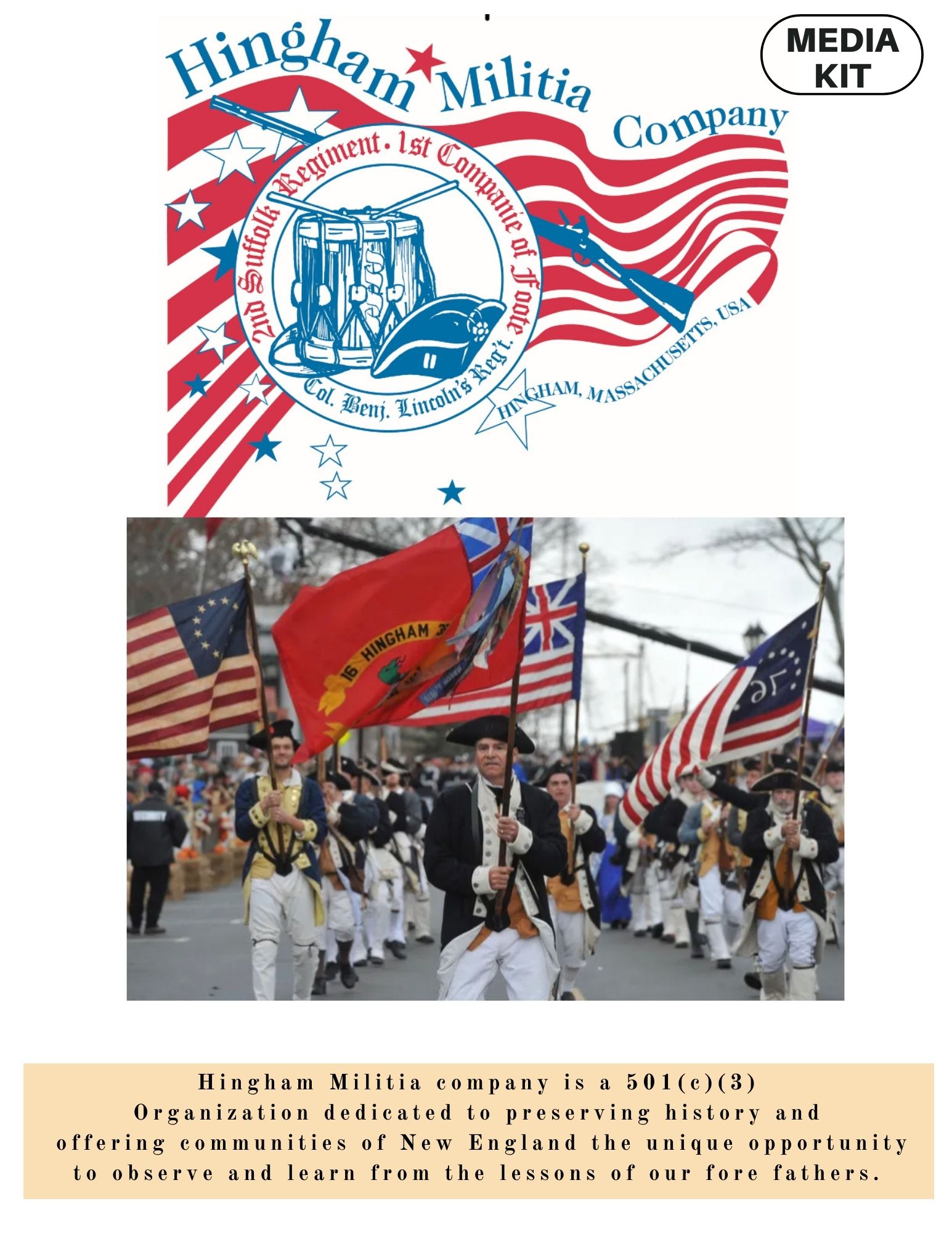
For many families, joining the Hingham Militia has been more than a hobby—it’s been a deeply rewarding way to connect with history and with each other. One such family describes how participating in this long-running reenactment group, one of the oldest continuous units in the country since 1974, has brought them closer through shared purpose and hands-on learning.
Together, they’ve stepped into the daily lives of Revolutionary-era New Englanders: wearing handmade clothing, cooking over open fires, marching in parades, and telling the stories of Hingham’s earliest patriots. These immersive experiences have turned abstract dates and events into living, breathing moments—especially for their children, who now understand the American Revolution not just as a distant past, but as a human story grounded in community, sacrifice, and courage.
The Hingham Militia offers more than just reenactment—it creates a space for families to grow together, to learn through doing, and to honor the legacy of those who helped shape the nation, right in the heart of Massachusetts’ South Shore.